
Orthopedics and Sports Medicine
More parents trust our Orthopedics and Sports Medicine Center for their child's care than anywhere else in Georgia*. For top-ranked care rooted in research, go to Children's for that.
Make an Appointment

Weekend Clinic for Injuries
Sprains, strains and broken bones don’t wait for weekdays. If your child needs to see a pediatric orthopedic expert on a weekend, Children’s has appointments available on Saturdays in Sandy Springs and Sundays in Duluth. Make an appointment online or call 404-255-1933 to schedule.
Make an AppointmentOur Orthopedics Program is ranked among the best in the country for kids and teens, and is the only nationally ranked program for kids and teens in Georgia.* When you bring your child to Children’s, they will be cared for by one of the country’s leading pediatric orthopedic teams. More parents trust Children's for pediatric orthopedic surgery than any other pediatric hospital in the U.S.**
What does a pediatric orthopedic doctor do?
Pediatric orthopedic specialists understand that kids and teens aren’t just small adults. Their growing bones and different developmental stages pose different challenges. Pediatric orthopedists know what to look for, can anticipate problems unique to growing kids and teens and can work toward the best outcome with a system of care designed for your child. That’s one of the top reasons why children and teens with orthopedic injuries or illnesses shouldn’t be treated in an adult hospital. In fact, more parents trust Children's for orthopedic care than anyone else in Georgia.**


As one of the leading programs in the country, our pediatric orthopedic doctors specialize in medical and surgical treatment of conditions and injuries of the musculoskeletal system—the bones, joints, muscles, tendons, ligaments and nerves. Specific conditions we treat include:
Conditions that impact the bones of the spinal column or the bones that make up the spine:
- Arthrogryposis
- Back pain
- Brachial plexus birth palsy
- Burns
- Cerebral palsy
- Dislocations
- Duchenne’s muscular dystrophy
- Fractures
- Hemophilia
- Kyphosis
- Lordosis
- Musculoskeletal tumors
- Myelodysplasia/spina bifida
- Nerve injuries
- Scoliosis
- Short stature syndrome
- Spondylosis
- Spondylolisthesis
- Sports injuries
- Sprains and strains
Conditions that impact the bones of the shoulders:
- Bone health disorders
- Brachial plexus birth palsy
- Brachial plexus injury
- Burns
- Dislocations
- Duchenne’s muscular dystrophy
- Fractures
- Ganglion cyst
- Hemophilia
- Musculoskeletal tumors
- Nerve injuries
- Overuse injuries
- Shoulder impingement
- Sports injuries
- Sprains and strains
- Tendon lacerations
Conditions that impact the bones of the chest:
- Bone health disorders
- Burns
- Hemophilia
- Musculoskeletal tumors
- Nerve injuries
- Overuse injuries
- Sports injuries
- Tendon lacerations
- Thoracic insufficiency syndrome
Conditions that impact the bones of the arms and hands:
- Arthrogryposis
- Bone health disorders
- Brachial plexus birth palsy
- Brachial plexus injury
- Burns
- Cerebral palsy
- Dislocations
- Duchenne’s muscular dystrophy
- Fingertip crush
- Fractures
- Ganglion cyst
- Hemophilia
- Limb deficiency
- Limb length inequality
- Little league elbow
- Musculoskeletal tumors
- Nerve injuries
- Overuse injuries
- Polydactyly (extra fingers or toes)
- Radial longitudinal deficiency (RLD)
- Split thumb
- Sports injuries
- Sprains and strains
- Syndactyly
- Tendon lacerations
- Tennis elbow
- Trigger thumb and fingers
Conditions that impact the bones of the hips:
- Bone health disorders
- Burns
- Cerebral palsy
- Developmental dysplasia of the hip (DDH)
- Dislocations
- Duchenne’s muscular dystrophy
- Femoroacetabular impingement (FAI)
- Fractures
- Hemophilia
- Hip apophysitis (inflammation)
- Hip pain
- Legg-Calve-Perthes disease
- Limb deficiency
- Limb length inequality
- Musculoskeletal tumors
- Nerve injuries
- Patellofemoral stress syndrome
- Polydactyly (extra fingers or toes)
- Overuse injuries
- Slipped capital femoral epiphysis (SCFE)
- Snapping hip
- Sports injuries
- Sprains and strains
Conditions that impact the bones of the legs and knees:
- Amputations
- Arthrogryposis
- Anterior cruciate ligament (ACL) tears
- Bone health disorders
- Burns
- Cerebral palsy
- Dislocations
- Duchenne’s muscular dystrophy
- Fractures
- Hemophilia
- Limb deficiency
- Limb length inequality
- Musculoskeletal tumors
- Myelodysplasia/spina bifida
- Nerve injuries
- Patellofemoral stress syndrome
- Overuse injuries
- Osgood-Schlatter disease
- Shin splints
- Short stature syndrome
- Sinding-Larsen-Johansson disease
- Sports injuries
- Sprains and strains
Conditions that impact the bones of the feet and ankles:
- Amputations
- Arthrogryposis
- Bone health disorders
- Burns
- Club foot
- Congenital vertical talus
- Dislocations
- Flatfeet
- Fractures
- Hemophilia
- Limb deficiency
- Limb length inequality
- Musculoskeletal tumors
- Nerve injuries
- Polydactyly (extra fingers or toes)
- Overuse injuries
- Sever’s disease
- Sinding-Larsen-Johansson disease
- Sports injuries
- Sprains and strains
Our orthopedic specialists collaborate with other other doctors, nurses and clinicians across our System to deliver coordinated, multispecialty care and resources to patients. We are also actively involved in research projects to help improve patient outcomes.
- Bone and Soft Tissue Sarcoma Program
- Bone Health and Diseases Program
- Brachial Plexus Program
- Cerebral Palsy Program
- Comprehensive Limb Difference Program
- Concussion Program
- Fracture care
- Hand and Upper Extremity Program
- Hip Program
- Musculoskeletal Program
- Orthotics and prosthetics
- Scoliosis and Spine Program
- Sports Medicine Program
What Do Pediatric Orthopedic Specialists Treat?
As one of the leading programs in the country, our pediatric orthopedic doctors specialize in medical and surgical treatment of conditions and injuries of the musculoskeletal system—the bones, joints, muscles, tendons, ligaments and nerves. Specific conditions we treat include:
Whether your child needs treatment for an ongoing condition or was recently injured, it’s important to seek out the best orthopedic specialists possible for your child. Our doctors and surgeons work closely with Children's advanced practice providers, physical therapists and orthotists and prosthetists to help deliver coordinated care that gets your child back to the activities they love. We're committed to facilitating research and improving outcomes for all of the patients who walk through our doors. Our Orthopedics and Sports Medicine Center is led by the following physicians:
Physician leadership
- S. Clifton Willimon, MD, Chief, Orthopedics and Sports Medicine Center; Medical Director, Atlanta United Academy team
- Robert W. Bruce Jr., MD, Medical Director, Neuromuscular Program and Cerebral Palsy Program
- Michael T. Busch, MD, Surgical Director, Sports Medicine Program
- Jill Flanagan, MD, FAAOS, Medical Director, Osteogenesis Imperfecta Program; Director, Pediatric Orthopedic Fellowship Program
- Nicholas D. Fletcher, MD, Medical Director, Spine Program
- Joshua Murphy, MD, Medical Director, Spine Quality and Outcomes
- Dana Olszewski, MD, MPH, Director, Clinical Site Education
- Allan E. Peljovich, MD, Medical Director, Hand and Upper Extremity Program
- Crystal Perkins, MD, Medical Director, Orthopedic Quality and Outcomes; Medical Director, Girls Flag Football
- Tim Schrader, MD, Medical Director, Hip Program; Surgical Director, Scottish Rite Hospital

A message from our chief
“It is an honor to be recognized this year as the only nationally ranked program for kids and teens in Georgia and the top program in the Southeast. It’s a true reflection of our tireless pursuit of better patient outcomes, experience and quality of care.”
As one of the largest pediatric orthopedic practices in the Southeast, our team includes 15 surgeons, three orthopedists and seven primary care physicians. Where you take your child matters because the treatment they get today will impact their entire future.
Orthopedic surgeons
- Jed Axelrod, MD
- Robert W. Bruce Jr., MD
- Michael T. Busch, MD
- Dennis P. Devito, MD
- Jorge A. Fabregas, MD
- Jill C. Flanagan, MD
- Nicholas D. Fletcher, MD
- Denver Kraft, MD
- Dell McLaughlin, MD
- Joshua Murphy, MD
- Dana Olszewski, MD, MPH
- Crystal Perkins, MD
- Michael L. Schmitz, MD
- Tim Schrader, MD
- S. Clifton Willimon, MD
Orthopedists
Sports medicine primary care physicians
- Ashley Brouillette, MD
- James Crownover, MD
- Logan Garfield Caplan, MD
- J. Stephen Kroll, MD
- Stephen Miller, MD
- Armand Scurfield, MD
- Matthew Vosters, MD
Advanced practitioners
- Denise Coultes Beuret, FNP-C
- Sarah Delk, PA-C
- Karina Diaz, PA-C
- Alyssa Gattis, PA-C
- Abby Goepper, CPNP
- Grace Hall, PA-C
- Veronica Hill, CPNP
- Laura Jones, CPNP
- J. Brian Kelly, PA-C
- Jessica King, PA-C
- Nicki Kress, CPNP-AC
- Marian Leach, PA-C
- Keri L. Liles, PA-C
- Rebecca Lunsford, PA-C
- Joshua Myers, FNP-C
- Olivia Norris, PA-C
- Nicole O'Donnell, PA-C
- Caitlin Parsons, PA-C
- Tori Robertson, PA-C
- Tracy Ruska, MSN, CPNP-AC, CCRN
- Karen Shaw, PA-C
- Cassie Simon, CPNP
- Kelsey Van Stee, CPNP
- Kirsten Warnock, NP-C
- Ed Wilson, PA-C
Meet Our Pediatric Orthopedic Specialists
-
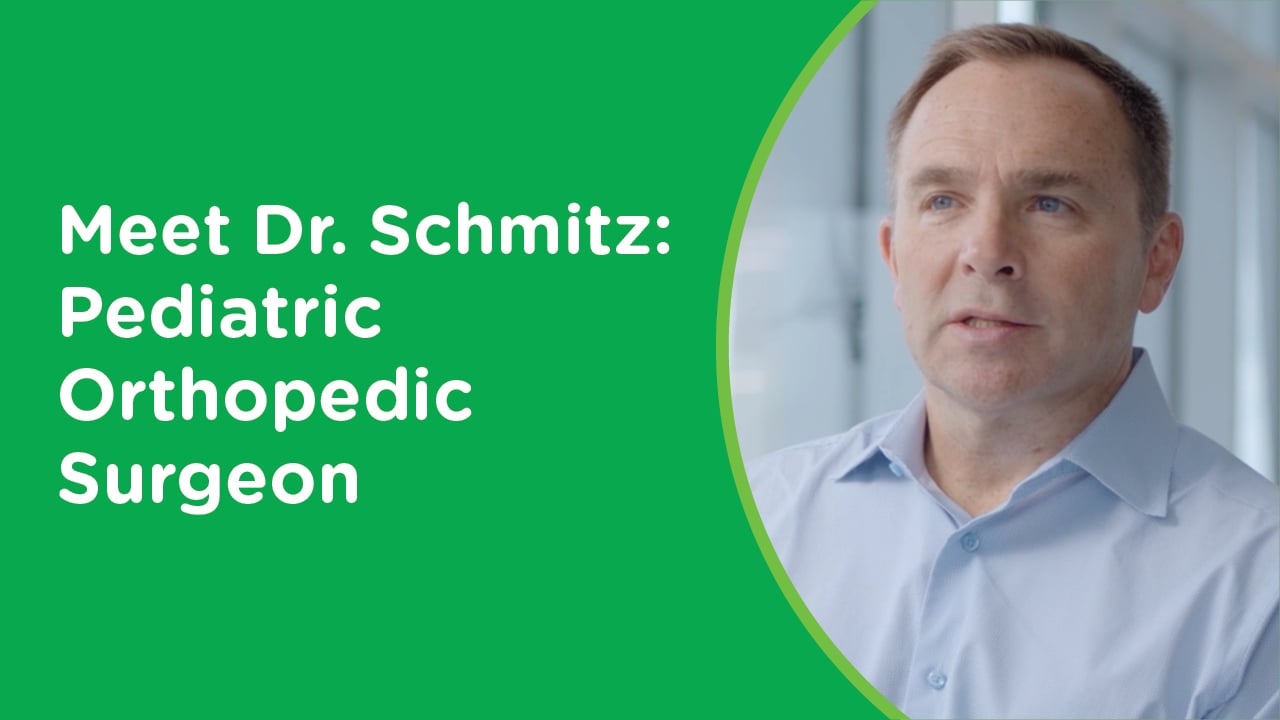
Meet Dr. Schmitz
Michael L. Schmitz, MD, is a pediatric orthopedic surgeon at Children’s Healthcare of Atlanta.
-
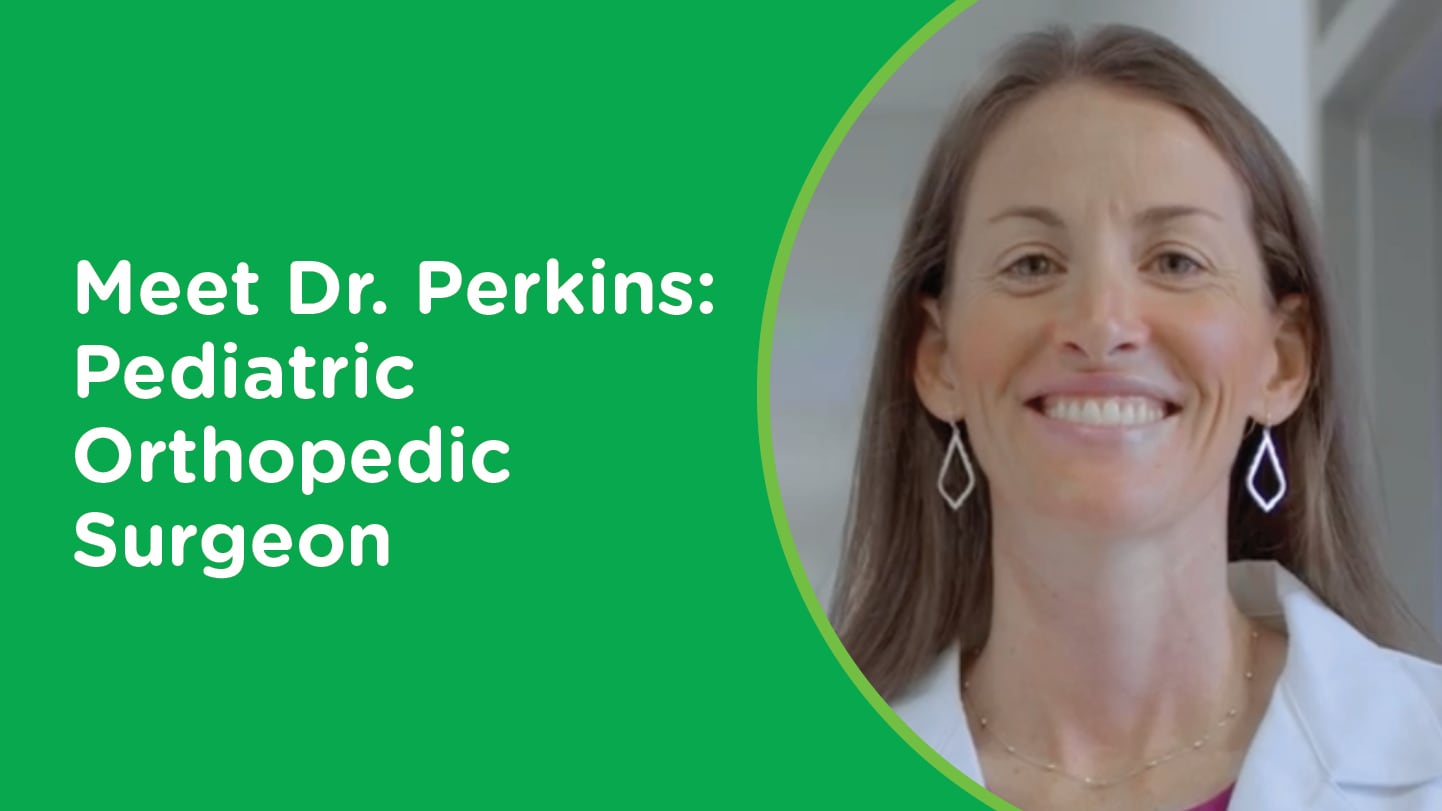
Meet Dr. Perkins
Crystal Perkins, MD, is the Medical Director of Orthopedic Quality and Outcomes and a Pediatric Sports Medicine Surgeon at Children’s Healthcare of Atlanta.
-
Meet Dr. Murphy
Joshua S. Murphy, MD, is the Medical Director of Spine Quality and Outcomes and a pediatric orthopedic surgeon at Children’s Healthcare of Atlanta.
-
Meet Dr. McLaughlin
Dell C. McLaughlin, MD, MPH, is a pediatric orthopedic surgeon at Children’s Healthcare of Atlanta.
-
Meet Dr. Bruce
Robert W. Bruce Jr., MD, is the Medical Director of the Neuromuscular Program and Cerebral Palsy Program and a pediatric orthopedic surgeon at Children’s Healthcare of Atlanta.
-
Meet Dr. Schrader
Tim Schrader, MD, is the Medical Director of the Hip Program, Surgical Director of Scottish Rite Hospital and a pediatric orthopedic surgeon at Children’s Healthcare of Atlanta.
-
Meet Dr. Flanagan
Jill C. Flanagan, MD, is the Co-Lead of the Comprehensive Limb Difference Program and a pediatric orthopedic surgeon at Children’s Healthcare of Atlanta.
-
Meet Dr. Fletcher
Nicholas D. Fletcher, MD, is the Medical Director of the Scoliosis and Spine Program and a pediatric orthopedic surgeon at Children’s Healthcare of Atlanta.
-
Meet Dr. Fabregas
Jorge A. Fabregas, MD, is the Co-Lead of the Comprehensive Limb Difference Program and a pediatric orthopedic surgeon at Children’s Healthcare of Atlanta.


Private Practice Physicians in Our Orthopedics Program
We work closely with private practice physicians in our program to lead research, develop specialized programs and deliver seamless care to patients.
Hand surgery

National and international research is a top priority for Children’s.
Our team’s orthopedic research studies are designed to lead to better outcomes for pediatric patients. Our physicians are dedicated to collaboration and active research on topics that include the spine, hips, trauma and more.
DISCOVER MOREPlease sign in to MyChart to complete the forms that have been assigned to you prior to your child's visit. If you'd prefer to print and complete the forms, please call 404-255-1933 to request them. Forms should be completed prior to your child’s appointment with Children’s Physician Group–Orthopaedics and Sports Medicine to help ensure your appointment remains on schedule.
Our Macon Clinic has moved to a new location
Children’s Orthopedics and Sports Medicine moved from 1625 Hardeman Ave. to 250 Martin Luther King Jr. Boulevard in downtown Macon.
GET DIRECTIONSAthens Orthopedics
1181 Langford Drive, Building 200, Suite 101
Watkinsville, GA 30677
Center for Advanced Pediatrics
2174 North Druid Hills Road NE
Atlanta, GA 30329
Children’s at Cherokee
1558 Riverstone Parkway, Suite 100
Canton, GA 30114
Children’s at Duluth
2270 Duluth Highway 120
Duluth, GA 30097
Children’s at Fayette
1250 Highway 54 West, Suite 200
Fayetteville, GA 30214
Children’s at Forsyth
410 Peachtree Parkway, The Collection at Forsyth
Cumming, GA 30041
Children's at Hamilton Creek
2240 Hamilton Creek Parkway, Suite 600
Dacula, GA 30019
Children’s at Hudson Bridge–Orthopedics and Sports Medicine
1492 Hudson Bridge Road
Stockbridge, GA 30281
Children’s at Meridian Mark
5445 Meridian Mark Road NE
Atlanta, GA 30342
Children’s at Old Milton Parkway
3300 Old Milton Parkway
Alpharetta, GA 30005
Children’s at Town Center Outpatient Care Center
605 Big Shanty Road NW
Kennesaw, GA 30144
Children's Orthopedics and Sports Medicine - Macon
250 Martin Luther King Jr. Boulevard
Macon, GA 31201
Children's Orthopedics and Sports Medicine - Douglasville
6095 Professional Parkway, First Floor, Suite 101B
Douglasville, GA 30134
*Georgia Hospital Association (GHA) by hospitals in Georgia, ages 0-18 (2025). Does not include any freestanding ambulatory surgery data.
**No. 9 on the U.S. News & World Report “Best Children’s Hospitals” list for 2025-26.
***Pediatric Health Information System (2025), as prepared by the Children’s Hospital Association. This report compares clinical data annually for more than 52 pediatric hospitals in the U.S.
Contact Us 404-255-1933