Craniofacial disorders are deformities or abnormalities that affect a child’s head and facial bones. Children may be born with craniofacial birth defects, or they may develop a condition through injury or disease.
At the Children’s Healthcare of Atlanta Center for Cleft and Craniofacial Disorders, we evaluate and treat craniofacial conditions—which can range from mild to severe—in children from birth to age 18. Our highly skilled doctors and staff are dedicated to your child’s comfort, safety and outcomes. Children are not just small adults, and that’s why we use specialized child-friendly techniques and equipment to provide the right care for your child.
We treat a full range of craniofacial disorders, including:
Abnormal skull shape
- Apert syndrome
- Craniosynostosis
- Crouzon syndrome
- Pfeiffer syndrome
- Saethre-Chotzen syndrome
- Cleft lip and palate
- Craniofacial clefts
- Pierre Robin syndrome
- Chin deformities
- Distraction osteogenesis
- Malocclusion
- Pre-prosthetic surgery
- Trauma to the jaws
- Upper and/or lower jaw deformities
- Goldenhar syndrome
- Hemifacial microsomia
- Microtia
- Prominent or constricted ears
- Hypertelorism
- Treacher Collins syndrome
- Traumatic injury
- Tumors
- Velo-Cardio-Facial syndrome
- Velopharyngeal dysfunction
Every child's possibilities are endless at Camp Courage.
This is a camp where kids with craniofacial disorders can have fun, make friends and build self-confidence, all while getting a full camping experience.
Learn moreThe Center for Cleft and Craniofacial Disorders is one of the most comprehensive programs of its kind in the Southeast. We identify craniofacial conditions and treat them using surgery, therapy and rehabilitation.
Our specialized pediatric services include:
At Children’s, our pediatric plastic surgeons provide care for approximately 150 new cleft lip and palate cases each year. Our highly skilled and experienced surgeons can help your child gain function and a more typical appearance.
Multiple surgeries are usually required and are planned to occur with your child’s facial growth. Some of the surgeries will be done when your child is very young and some when your child is older and more developed.
For more information or to schedule an appointment, call 404-785-KIDS (5437).
Cleft Lip and Palate Patient Family Handbook (en Español)
American Cleft Palate-Craniofacial Association (ACPA)
Our team works together with many different departments at Children’s to serve all of your child’s dental needs. We offer everything from cleanings to complex dental surgeries.
Our dental services include:- Dental health education
- Orthodontics
- Pit and fissure sealants
- Preventive dental services
- Restorative and surgical dental procedures
- Sedation and general anesthesia services
For more information and to schedule an appointment, call 404-785-2072.
New dental patient form (en Español)
Learn more about our dentistry and orthodontics services
Our oral and maxillofacial pediatric surgeons work closely with dentists, orthodontists and other members of the Children’s craniofacial team. We offer outpatient, inpatient and short-stay services.
Our services include:
- Consultation on oral or facial lesions
- Evaluation and treatment of congenital (present at birth) deformities, such as cleft lip and palate, and craniofacial deformities
- Evaluation and treatment of traumatic deformities, such as midface and mandibular (jaw) fractures and soft tissue facial trauma
- Orthognathic surgery to correct skeletal irregularities of the jaw
For more information or to schedule an appointment, call 404-785-KIDS (5437).
Our pediatric orthodontists work closely with other members of the Children’s craniofacial team to treat children with dental-facial problems such as jaw deformities, cleft lip and palate, and midfacial anomalies.
For more information and to schedule an appointment, call 404-785-2072.
Our goal is to help kids and teens with congenital or acquired craniofacial conditions improve their quality of life. We use the appropriate child-size equipment and techniques to promote safe anesthesia and optimal surgical results.
For more information or to schedule an appointment, call 404-785-KIDS (5437).
At the Children’s Speech Pathology Laboratory, we diagnose speech problems and work to create a treatment plan to help your child communicate. Once your child’s condition is identified, we’ll refer you to the appropriate specialists who can help with surgery, prosthetics and more.
Some issues we can help your child with include:
- Hoarseness
- Hypernasality
- Hyponasality
- Unclear speech
Trouble with speech can be caused by a variety of conditions, including:
- Cleft lip and palate
- Feeding disorders
- Head and neck tumors
- Neurological disorders
- Paralyzed vocal folds
- Traumatic brain injury
- Vocal fold nodules
For more information or to schedule an appointment, call 404-785-KIDS (5437).
When you bring your child to the Center for Cleft and Craniofacial Disorders, you can expect leading-edge treatment from a highly skilled team.
Some of the treatments we offer for craniofacial disorders include:
- Mandibular distraction: Mandibular distraction is an option that provides relief from micrognathia (abnormally small jawbone) by opening the airway and improving the child’s ability to eat. A device called a distractor is attached during surgery. The device is later adjusted to gradually lengthen the jawbone. Our pediatric experts pioneered the use of resorbable distractors that eliminate the need for a second surgery to remove the devise.
- Nasal alveolar molding (NAM): Prior to surgery to repair a cleft lip, some children require orthodontic treatment in order to guide the growth of their mouths in the right direction. Children’s was among the first craniofacial centers in the country to offer the NAM device. We are the only center in the Southeast to offer this treatment.
- Bone substitutes (hydroxyapatite cement): Hydroxyapatite cement is a ceramic bone substitute that can be used as a putty to fill cranial (skull) and orbital (eye socket) defects.
- Endoscopic torticollis treatment: Torticollis (a condition that restricts neck movement) can be corrected using a minimally invasive procedure. Doctors can operate using a small telescope with an attached video camera that is inserted through a tiny incision.
- Laser treatment of hemangiomas: The center is one of only a few in the nation to offer laser technology to treat hemangiomas (red growth caused by an abnormal collection of blood vessels). We use a combination of lasers to selectively damage the vessels in the hemangioma without damaging the overlying skin.
At the Center for Cleft and Craniofacial Disorders, we understand the unique needs of your child, and we partner with you and your family to develop the best possible treatment plan. Our dedication to family-centered care means that you become a partner in your child’s healing. Your child is supported by a collaborative team of pediatric experts, including plastic surgeons, otolaryngologists, orthodontists, dentists and more.
Here's what makes Children's different:
- We understand the unique needs of your child and partner with your family to develop the best possible treatment plan.
- We lead developments in technology and offer specialized techniques you can’t find in most other hospitals.
- We offer programs to support the physical, emotional, mental and spiritual needs of your whole family.
Led by Joseph K. Williams, MD, FACS, FAAP, Division Chief of Plastic and Craniofacial Surgery and Medical Director of the Center for Cleft and Craniofacial Disorders, our team includes the following pediatric specialists:
Pediatric plastic surgeons
- Colin M. Brady, MD, FACS, Program Director, Craniofacial Fellowship; Research Director, Center for Cleft and Craniofacial Disorders
- Magdalena Soldanska, MD, FACS, Section Chief, Plastic Surgery at Scottish Rite
- Alexis Tashima, MD
- Joseph K. Williams, MD, FACS, FAAP, Medical Director, Center for Cleft and Craniofacial Disorders; Division Chief, Plastic Surgery
Advanced practice providers
Pediatric orthodontists
Pediatric dentists
- Michael L. Minyard, DMD, MPH, Clinical Director, Dentistry
- Mitali Patel, DDS
- J.C. Shirley Jr., DMD
- Nikky Shotwell, DDS
- Jack E. Thomas Jr., DDS
- Karen Uston, DDS
- Brittany R. Waters, DMD, Residency Program Director
Speech pathologists
- Katherine Dillon, MS, CCC-SLP
- Angela LaGambina, MS, CCC-SLP
- Kazlin Mason, PhD, CCC-SLP, Chief, Speech and Language Research
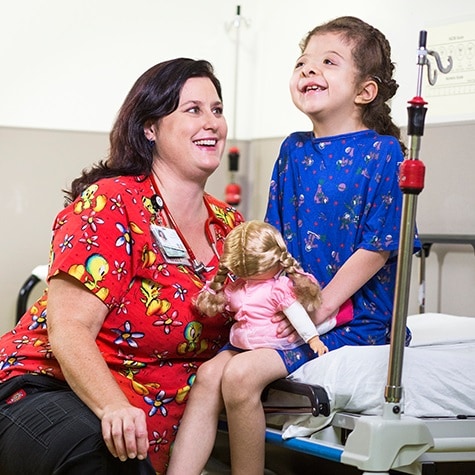
Children’s recognized by the ACPA
The American Cleft Palate-Craniofacial Association (ACPA) has recognized the Center for Cleft and Craniofacial Disorders as an ACPA-approved team for a period of five years beginning Jan. 1, 2019.
Medical Office Building at Children's Scottish Rite Hospital
5461 Meridian Mark Road NE
Atlanta, GA 30342
Get Directions
Contact Us 404-785-KIDS (5437)