
Cancer and Blood Disorders
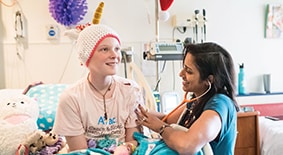
The Aflac Cancer and Blood Disorders Center of Children’s is a national leader in pediatric cancer and blood disorders treatment and research. We compassionately treat each child’s unique needs and develop a special treatment plan for the child and the whole family—starting from day one.

The Aflac Cancer and Blood Disorders Center of Children's Healthcare of Atlanta is one of the largest pediatric cancer and blood disorders programs in the country. We care for children and young adults with a wide range of cancer and blood disorders—from the most common to those rarely seen outside of the top centers.
Conditions We Treat
At the Aflac Cancer and Blood Disorders Center, our pediatric-trained experts are fully equipped to treat all cancer and blood disorders.
Our Comprehensive Programs

- Alpha thalassemia
- Anemia
- Aplastic anemia
- Beta thalassemia
- Hemochromatosis
- Hemolytic anemia
- Hemostasis and thrombosis
- Immune thrombocytopenic purpura (ITP)
- Iron deficiency anemia
- Megaloblastic anemia
- Neutropenia
- Other rare factor deficiencies
- Polycythemia
- Sickle cell disease
- Thalassemia
- Thrombocytopenia
- Von Willebrand disease
- Bone and soft tissue sarcomas
- Brain tumors
- Histiocytic and lymphoproliferative disorders
- Leukemia and lymphoma
- Neuroblastoma
- Retinoblastoma
- Wilms and other kidney tumors
- Blood and Marrow Transplant Program
- BMT Survivor Clinic
- Bone Marrow Failure Program
- Cancer Predisposition Program
- Chronic GVHD Clinic
- Curative Therapies
- Developmental Therapeutics Program
- High-Risk Leukemia and Lymphoma Program
- Immunohematology and Immune Dysregulation Program
- Infection Defense Program
- Infectious Disease Program
- Precision Medicine Program
- Psychology Program
- Red Blood Cell Disorders and Thrombotic Microangiopathy Program
- Supportive Care Clinic
- Survivor Program
- Young Women’s Bleeding Clinic
Take a tour with Honorary Construction Manager Lex of the Aflac Cancer and Blood Disorders Center
-
Lex and Chris Chelette, Children’s Senior Vice President, Facility Services, share an inside look of the new consolidated Aflac Cancer and Blood Disorder Center at Children’s Healthcare of Atlanta’s Arthur M. Blank Hospital.

Making a difference in the lives of kids with cancer and blood disorders
Growing up, Keren was very social and athletic. While playing soccer one day, Keren started having pain in her foot, and soon after a mass began to form. It was determined that the mass was an aggressive cancer called rhabdomyosarcoma. The diagnosis was bleak, but with the care and support from staff at Children’s, Keren was determined to fight.
Watch Now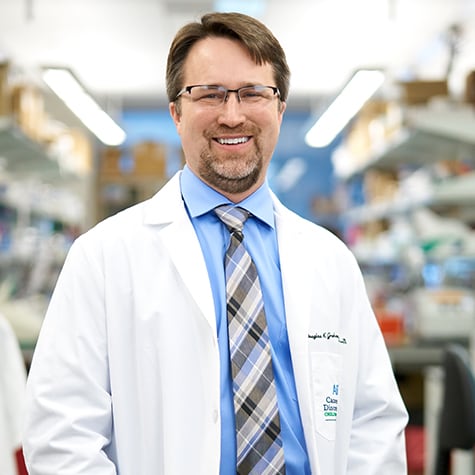
A message from our Chief
“We are extremely proud to be recognized among the top pediatric cancer programs in the nation, which is a reflection of the total dedication of our faculty, nurses and staff. Our Center is at the forefront of the field of pediatric hematology/oncology. We care for some of the most complex patients, learning from each and every one and sharing our knowledge and expertise with others, so that we can foster progress and make an impact beyond our walls."
Douglas K. Graham, MD, PhD
Chief and William G. Woods Chair
Aflac Cancer and Blood Disorders Center
The Aflac Cancer and Blood Disorders Center is committed to excellence and innovation in pediatric cancer and blood disorders research. As Georgia’s top pediatric cancer research center, we’re developing new and innovative cancer treatments right here in Atlanta. We are home to one of the largest clinical trial programs in the country—offering our patients access to over 200 clinical studies giving cutting-edge treatment to those who need it most.
The Aflac Cancer and Blood Disorders Center is uniquely positioned to leverage the vast knowledge and capabilities in Atlanta through a number of supporters, endowments and partnerships. Working together, we continue to seek personalized cures for the most challenging childhood oncologic and hematologic conditions.
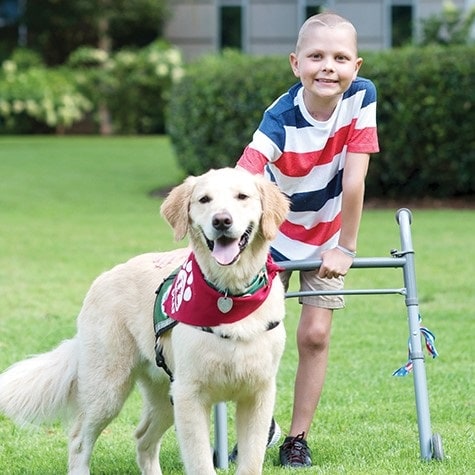
Make a Difference in the Lives of Kids with Cancer and Blood Disorders
Donors are the reason we're able to treat more than 9,800 patients across all of our campuses each year and are ranked among the top pediatric cancer programs according to U.S. News and World Report.
Get Involved

The Future of Pediatric Cancer and Blood Disorders Care


Contact Us 404-785-1200